
As the world marks World Migratory Bird Day, Yancheng released its 2025 Bird List 4.0, showing a remarkable rise: 467 wild bird species (23 orders, 73 families) recorded by February 2026 — 20 more than in 2024, making up 31.03% of China’s total bird species.
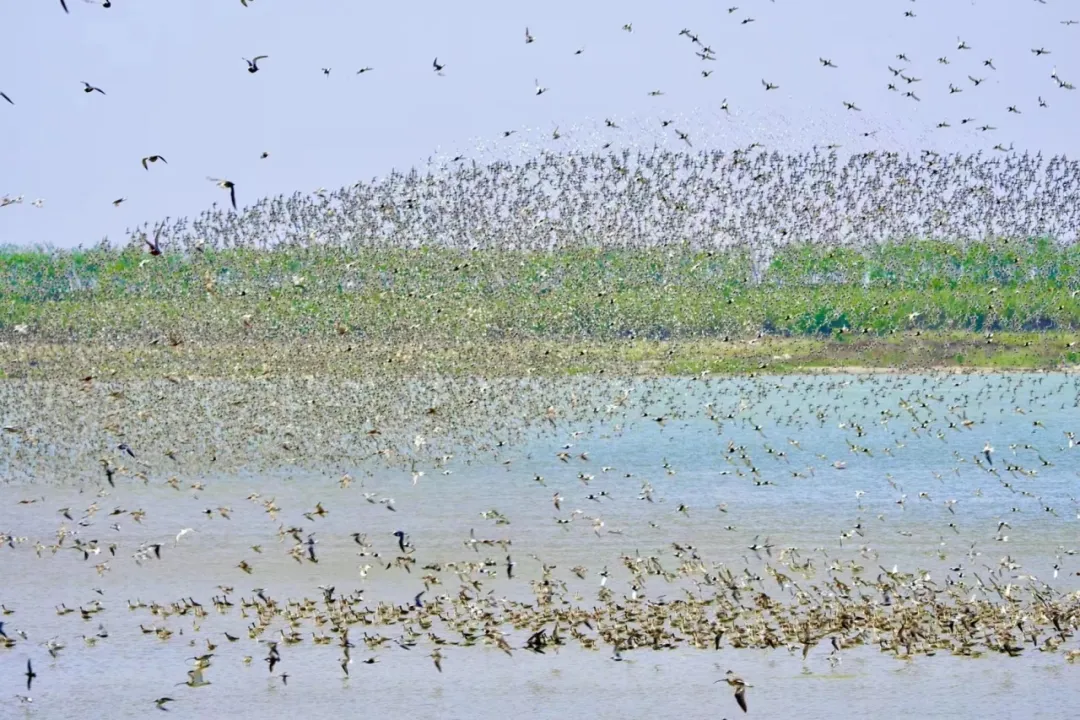
Tiaozini Wetland · Photo by Li Dongming
Birds are nature’s sensitive ecological indicators. Yancheng’s rich birdlife proves its wetlands are healthy and thriving.
Home to the best-preserved large tidal wetland on the western Pacific coast, Yancheng is a critical platinum stopover on the East Asian-Australasian Flyway. In 2019, China’s Migratory Bird Sanctuaries along the Yellow Sea-Bohai Gulf (Phase I) became the country’s first coastal wetland World Heritage Site.
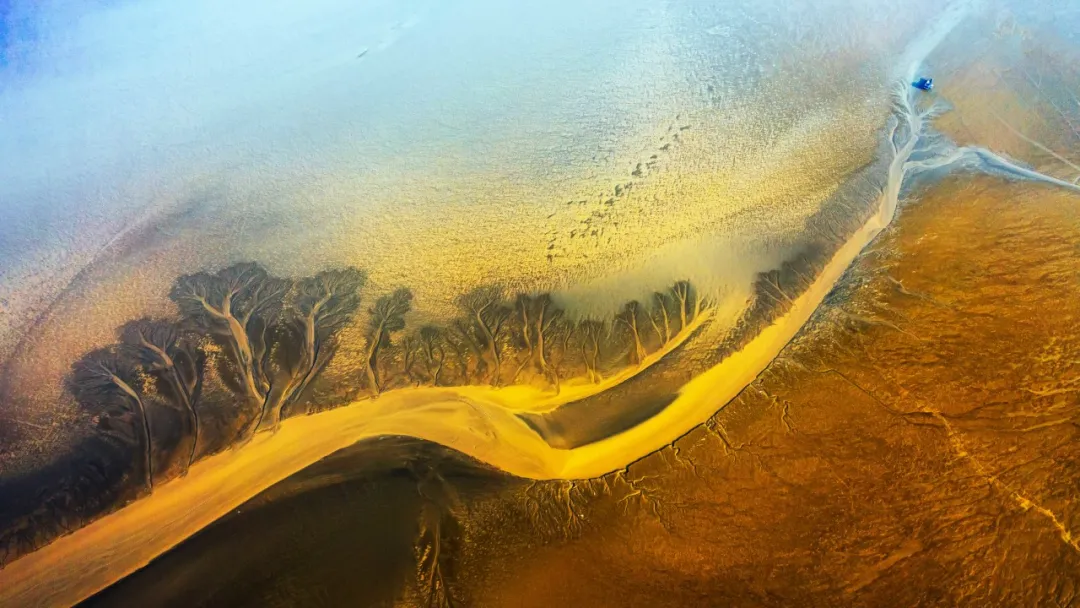
Beach Forest · Photo by Chen Xia
5 Newly Discovered Species in 2025
White-throated Kingfisher — National Class II protected; first confirmed record in Yancheng.
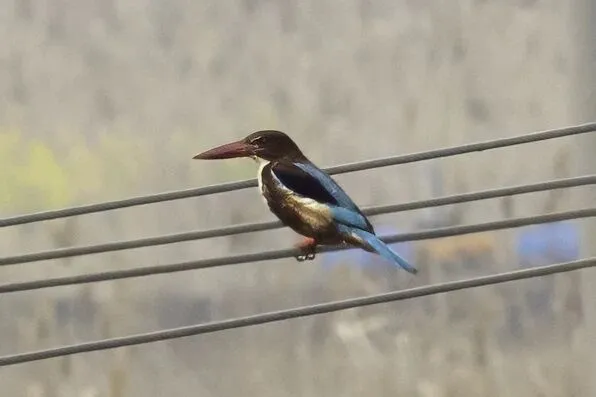
White-throated Kingfisher
Black Redstart — Rare plateau visitor; suggests eastward range expansion.
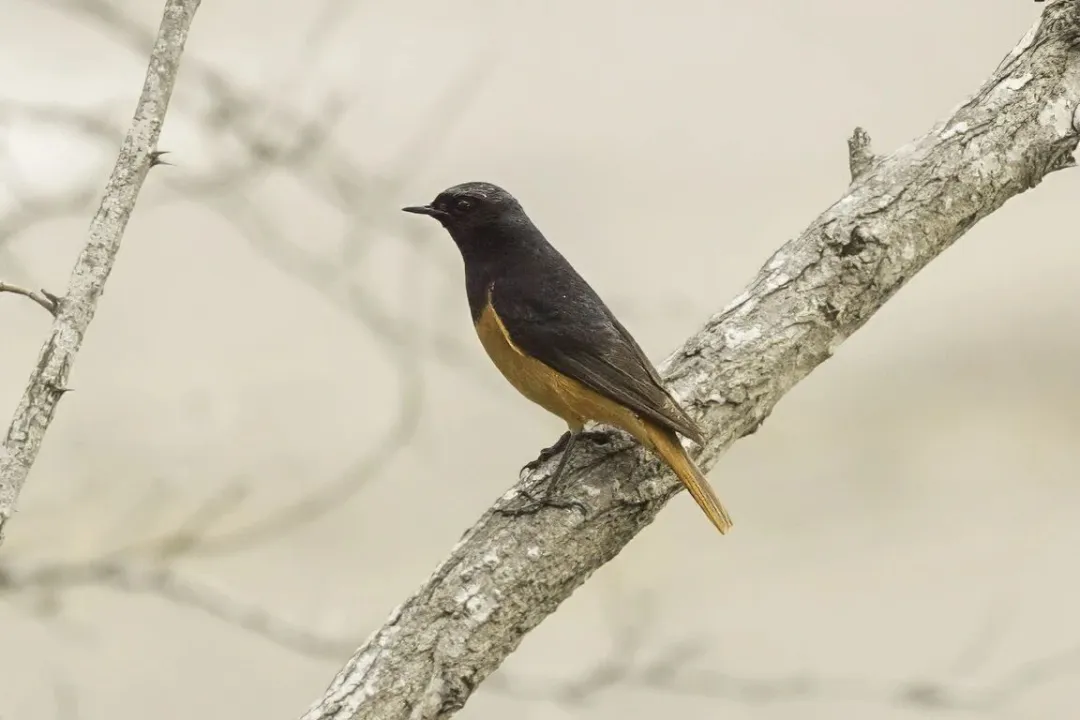
Black Redstart
Sulphur-breasted Warbler — First found on Jiangsu’s coast.
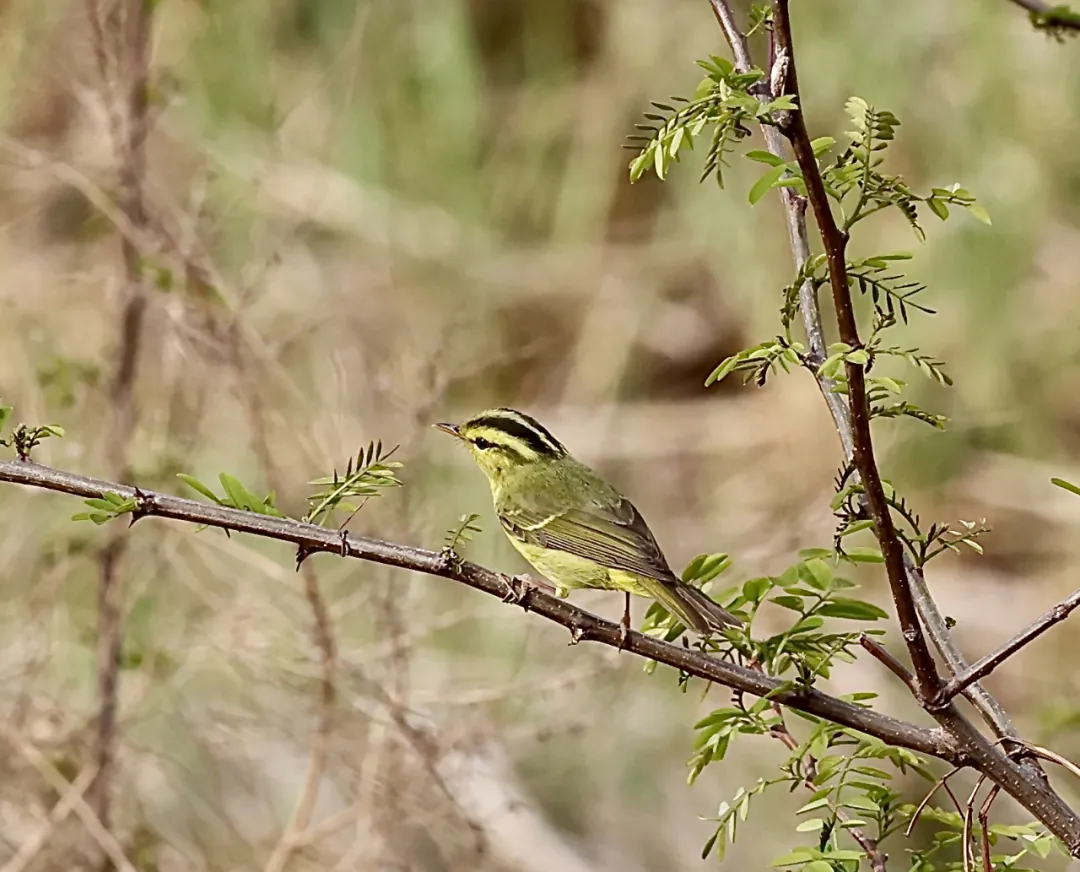
Sulphur-breasted Warbler
Himalayan Swiftlet — Discovered at the national birdwatching competition.
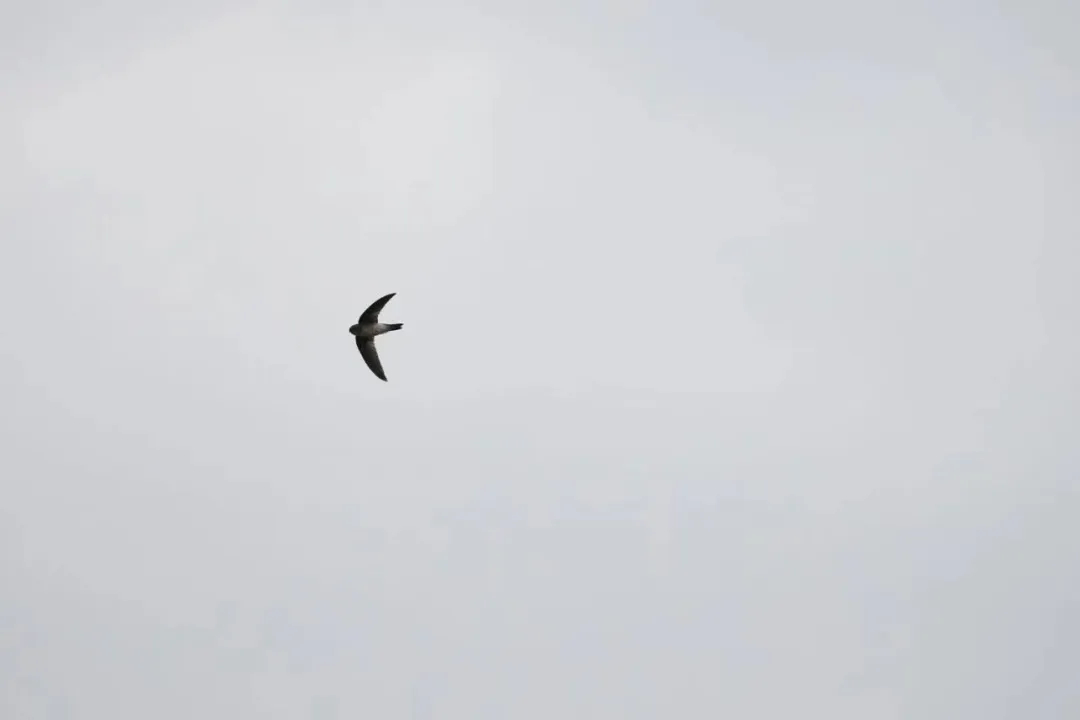
Himalayan Swiftlet | Photo by contestant on site
Lesser Black Brant— First recorded in Jiangsu; a rare vagrant from North America.
Lesser Black Brant · Photo by Xu Xing
15 Historically Confirmed Species
Another 15 species were officially added after expert review, including:
Crested Ibis (Class I, Endangered)
Chinese Crested Tern (Critically Endangered)
Malayan Night Heron (Class II)
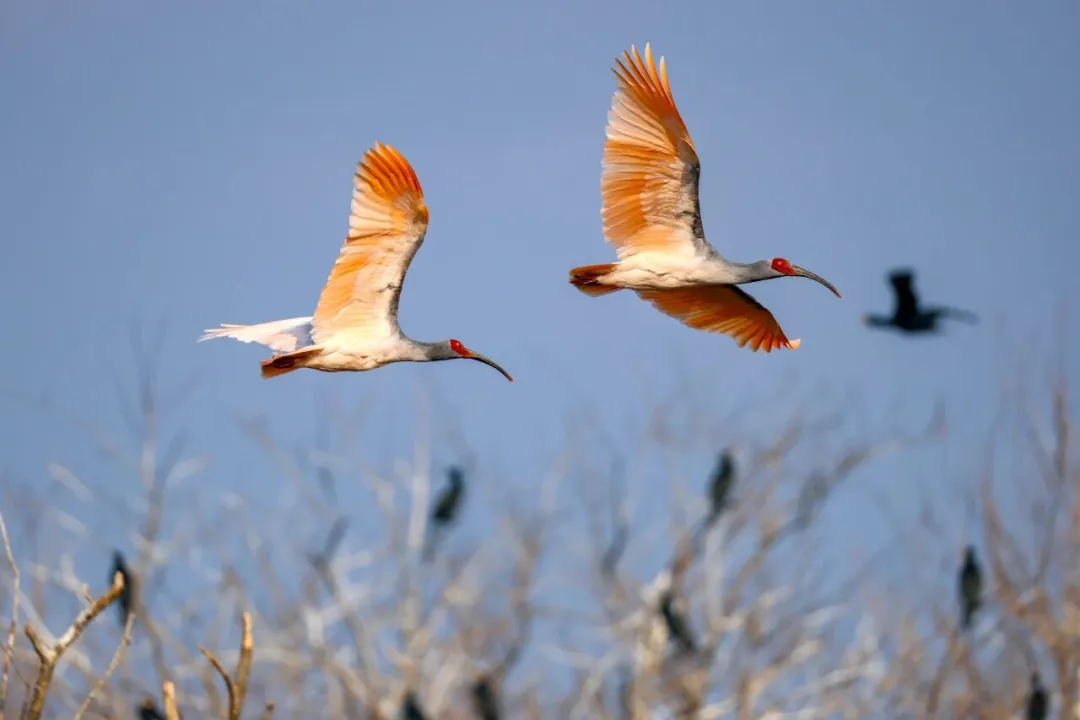
Crested Ibis · Photo by Song Congyong
Yancheng now has 112 nationally protected bird species.
Thanks to wetland restoration and strict conservation, some threatened birds have improved in status: the Black-faced Spoonbill was downgraded from Endangered to Vulnerable.
The increase from 447 to 467 species shows Yancheng’s wetlands are a safe, thriving haven for migratory birds — a new start for global ecological protection.
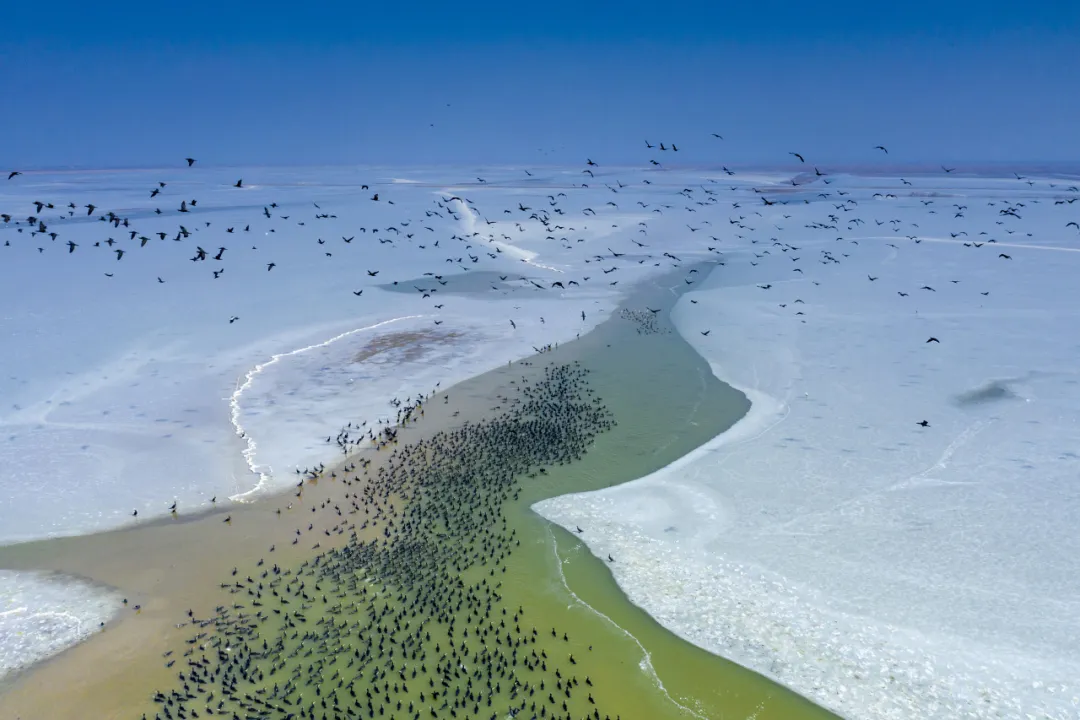
Paradise of Ten Thousand Birds · Photo by Gu Zhengshan